
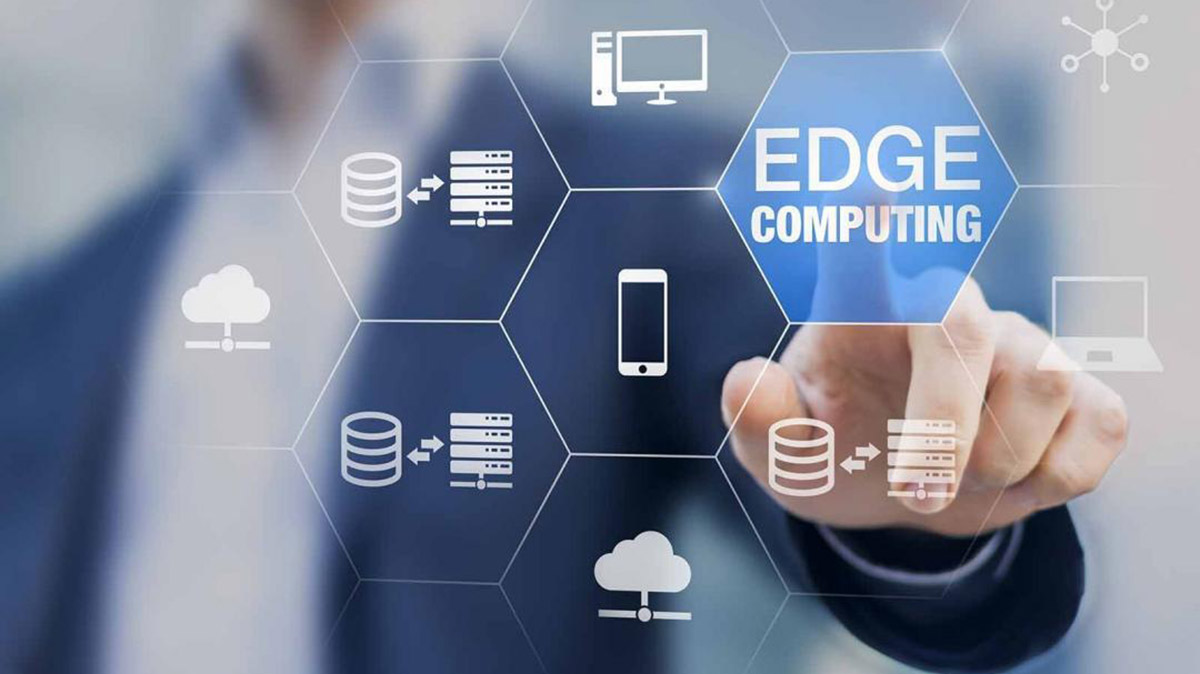
In a world where speed is not just a requirement but a necessity, where everything is supposed to be at your fingertips, and one click can let you do or undo the task. To compete with this, a new player in town is quietly revolutionizing the way we learn, i.e., Edge Computing. This term might sound straight out of a sci-fi movie, but in simple terms, it’s like giving our computers the right engine they deserve to get the correct boost.
Let’s explore how Edge Computing is transforming the learning experience for students around the globe. Before that, let’s understand what exactly Edge Computing is.
Understanding Edge Computing
Before we discuss how Edge Computing is changing the classrooms, let’s have a quick look at what Edge Computing actually is. Imagine your computer or mobile is like a superhero trying to gather all the information. Normally, this hero has to gain information after sending messages all the way to a far-off data center. With Edge Computing, your device gets some amazing superpowers that can process and gain information right there, on the spot.
So, how does all this affect and relate to education? Well, it means quicker access to information, faster responses, and a deeper and more enriching learning experience for students.
Impact of Edge Computing on Education
1. Faster Access to Learning Resources
Remember when was the last time you had to wait for a web page to load? Frustrating, right? Now, let’s say students in a classroom have to wait to load the page in order to access educational apps or online materials. Here, Edge Computing swoops like a superhero and reduces the waiting time.
With Edge Computing, educational content is stored closer to the students, making it faster and easier to access. Whether it’s video lectures, online quizzes, or interactive simulations, everything loads in a flash, allowing students to focus on learning.
2. Enhanced Activities in Online Classes
After COVID-19, the era of virtual classrooms took over, where students and teachers connected through screens. Since then, the need for seamless interactivity is much needed.
Edge Computing ensures that when a teacher asks a question or wants to share a multimedia presentation, there’s no lag or delay. It’s like having a real-time conversation, even if you’re miles apart.
3. Supporting Personalized Learning
Edge Computing works like a personal tutor who understands exactly how a student can learn in the best way and provides the material that can cater to a student’s strengths and weaknesses. The magic of Edge Computing is that it tailors the learning experience of individual students.
It helps educators to identify each student’s learning style and preferences by analyzing data in real-time. This ensures that students get the right support at the right time, fostering a more personalized learning and effective learning journey.
4. Security and Privacy
In the world of online learning, security and privacy are paramount. Edge Computing plays a crucial role in ensuring that sensitive student data stays safe and protected.
Instead of sending all the data to a distant data center, where it might be more vulnerable, Edge Computing processes information locally. This reduces the risk of data breaches and keeps student information secure. It’s like having a fortress around your data, making sure it stays safe and sound.
Real-world Applications
Let’s explore some real-world scenarios where Edge Computing is making a tangible impact on education.
1. Virtual Labs:
Imagine conducting complex science experiments or exploring historical artifacts without leaving your classroom. Edge Computing makes virtual labs more realistic and interactive, offering an experience in subjects that would otherwise require a physical presence.
2. Language learning with AI:
Edge Computing enables the use of artificial intelligence to provide instant feedback on language learning like pronunciation and grammar. Like a Duolingo app, it helps a person to learn new languages easily.
3. Augmented Reality (AR):
Forget reading about historical landmarks in textbooks. With Edge Computing and AR, students can embark on virtual field trips, explore ancient civilizations, or walk with dinosaurs, all from the comfort of their classroom.
4. Instant Feedback in Assessments:
Traditional exams can be nerve-wracking, but Edge Computing allows for instant grading and feedback. Like Multiple Choice Questions, they will get the results immediately after appearing for the test. Students receive immediate insights into their performance, allowing them to learn from mistakes and improve faster.
Conclusion:
Edge Computing is not merely a technological advancement; it’s a catalyst for transforming the educational landscape. As we embrace the potential of Edge Computing in education, it’s essential to recognize its role as a cornerstone of innovation and progress. By leveraging this technology, educators can create dynamic and engaging learning environments that cater to the diverse needs of students while students can enjoy seamless access to educational content and experiences.
In the ever-evolving digital era, Edge Computing stands as a beacon of hope, ensuring that education remains inclusive, interactive, and adaptable to the demands of the future. With its transformative capabilities, Edge Computing is poised to shape the future of learning, making it an exciting and enriching journey for students worldwide. So, let’s embrace the power of Edge Computing and embark on a new era of education that unlocks the full potential of every learner.
Comments are closed.